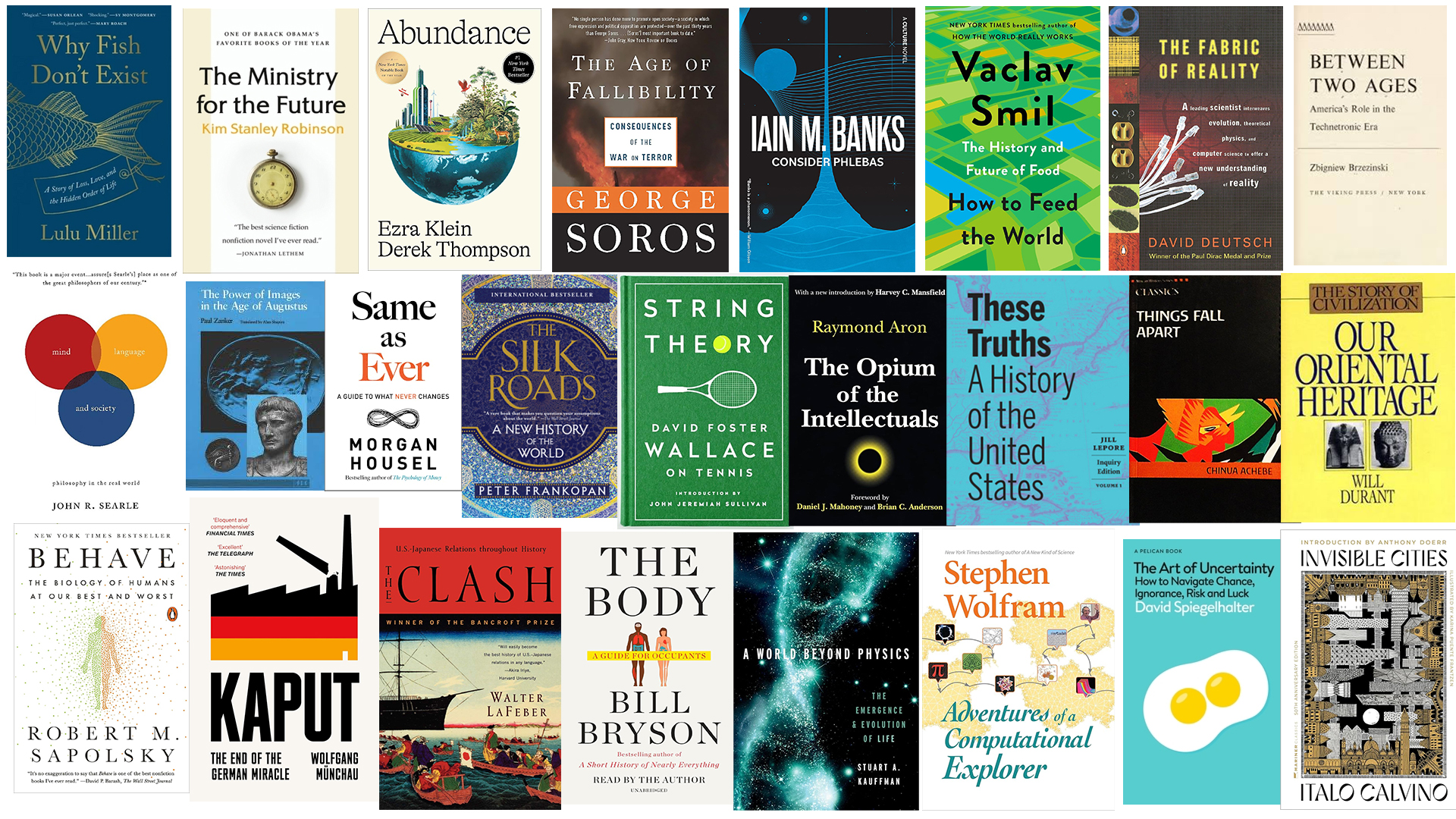
A passion for reading has long been central to how Patrick Zhong thinks and invests. Each year, he works through nearly a book a day, while also following podcasts, spanning disciplines, cultures, eras, and languages. As the new year approaches, we are pleased to share a curated selection from Patrick’s reading over the past year. We hope these selections bring you inspiration, joy, and a sense of wonder as the new year begins!
World & Systems
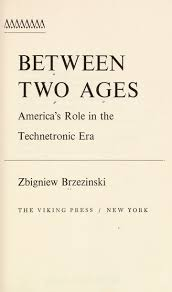
Between Two Ages: America’s Role in the Technetronic Era
by Zbigniew Brzezinski
Genres: Technology, Futurology
Written decades ago, this book anticipates the political consequences of technological transformation. It analyzes the impact of technology on society, politics, and culture, arguing that the US must guide the social changes of the “technetronic era” (a fusion of technology and electronics) to maintain its global role, while also addressing the challenges posed by the Cold War and the Soviet Union.
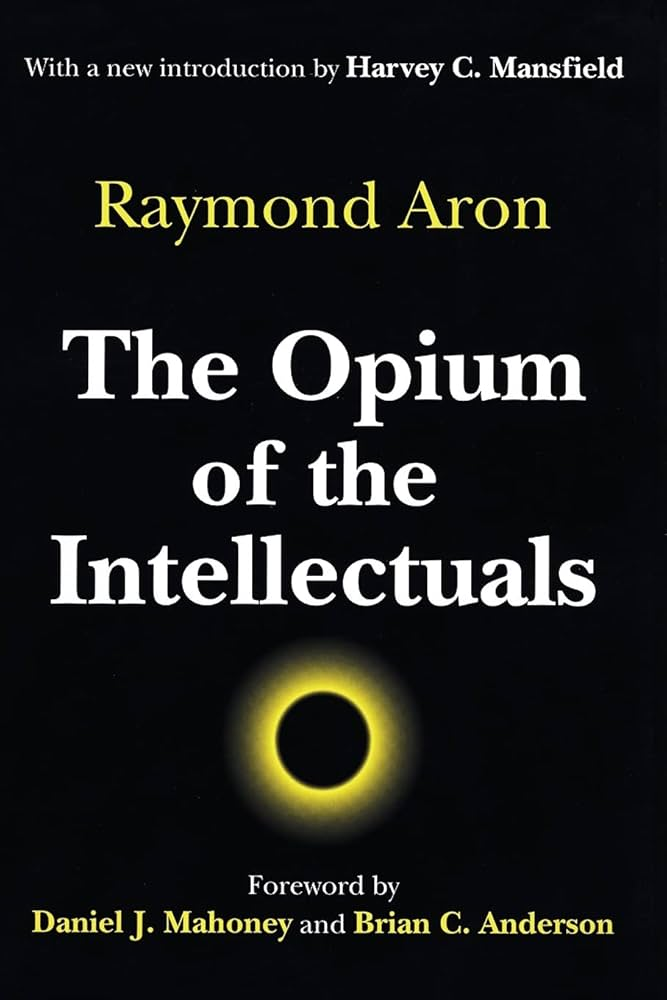
The Opium of Intellectuals
by Raymond Aron
Genres: Political Philosophy
This is one of the great works of twentieth-century political reflection. Aron shows how noble ideas can slide into the tyranny of “secular religion” and emphasizes how political thought has the profound responsibility of telling the truth about social and political reality-in all its mundane imperfections and tragic complexities. Aron explodes the three “myths” of radical thought: the Left, the Revolution, and the Proletariat.

Kaput: The End of the German Miracle
by Wolfgang Münchau
Genres: Germany, Economic Analysis
It is an essential read for anyone interested in the future of Europe’s most important economy. Germany’s postwar economic success is examined not as a triumph, but as a vulnerability. This book traces how political complacency, industrial rigidity, and technological inertia eroded a once-admired model. Calmly argued and sharply observed, it shows how long-term stability can mask structural weakness. Less a national critique than a cautionary tale, it offers insight into how modern states fail by standing still.
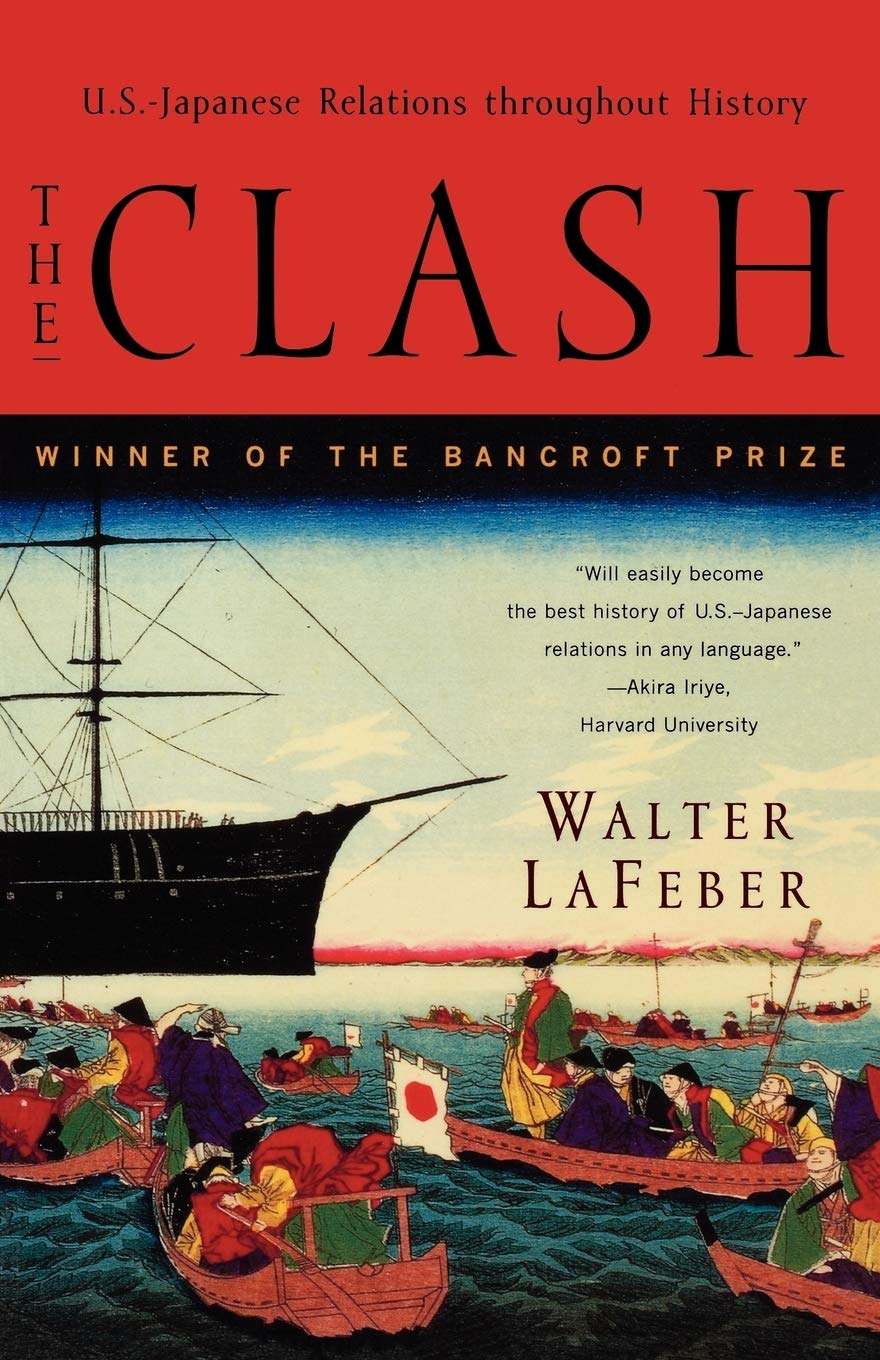
The Clash: U.S.–Japanese Relations Throughout History
by Walter LaFeber
Genres: Japan, US-Japanese Relations
A compelling and authoritative history of U.S.–Japan relations, this book explores the deep-rooted tensions between two fundamentally different societies—one compact and order-conscious, the other expansive and market-driven. Drawing on both American and Japanese sources, Walter LaFeber examines disputes over security, trade, rearmament, and finance, as well as the enduring role of China in shaping the relationship. Clear, incisive, and highly readable, it offers essential context for understanding one of the world’s most consequential bilateral partnerships.
The Art of Uncertainty: How to Navigate Chance, Ignorance, Risk and Luck
by David Spiegelhalter
Genres: Mathematics, Probability, Decision Science
How dangerous is our diet? When authorities categorize a given event as “highly likely”―how likely is that, really? From medical choices to climate forecasts and debates about artificial intelligence, daily life is shaped by uncertainty. Drawing on examples from medicine, sport, and public policy, David Spiegelhalter shows how probability and statistics help make sense of risk, luck, and coincidence—offering a clearer way to think and decide when the unknown cannot be avoided.
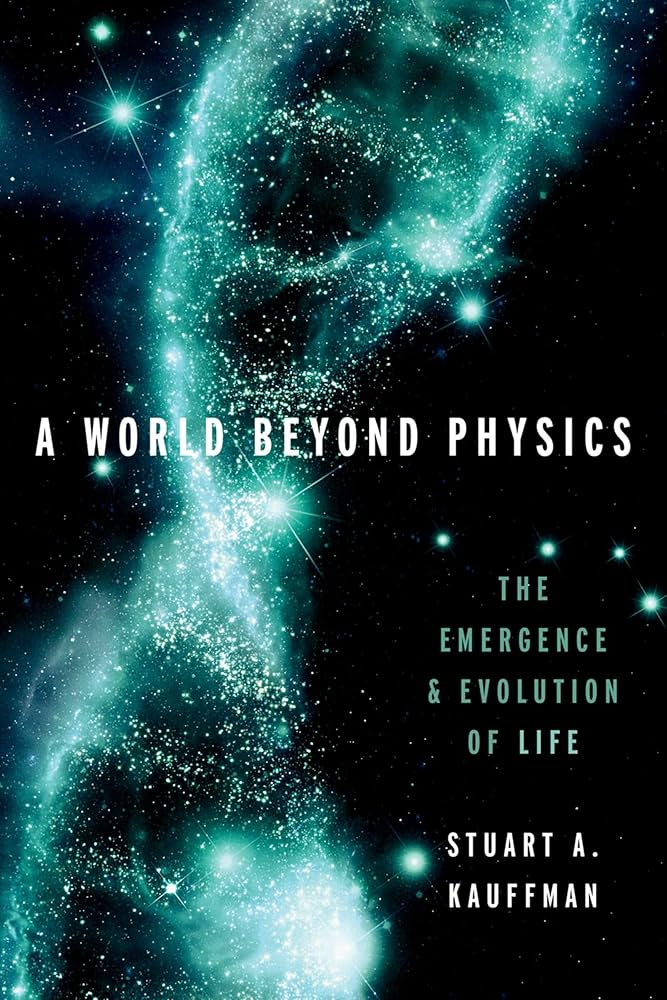
A World Beyond Physics
by Stuart A. Kauffman
Genres: Biology, Complexity, Philosophy of Science
How did life start? Is the evolution of life describable by any physics-like laws? Stuart Kauffman offers an explanation-beyond what the laws of physics can explain-of the progression from a complex chemical environment to molecular reproduction, metabolism and to early protocells, and further evolution to what we recognize as life.
History
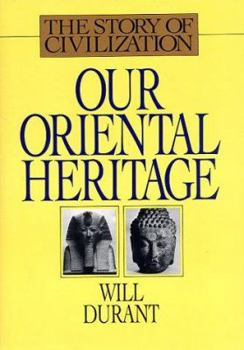
The Story of Civilization: Our Oriental Heritage
by Will and Ariel Durant
Genres: History, Civilization Studies
If you haven’t read much about Asian or East Asian history, this is a good introduction. Civilization is presented not as a Western achievement, but as a long, shared inheritance shaped across Asia, the Middle East, and North Africa. With sweeping scope, the Durants weave religion, philosophy, art, and economics into a single narrative of human development. Though written in another era, the book’s integrative vision remains influential, reminding readers that culture advances through accumulation and exchange rather than isolated brilliance.
These Truths: A History of the United States
by Jill Lepore
Genres: American History
This is a comprehensive, one-volume American history by acclaimed historian Jill Lepore offers a magisterial account of the origins and rise of a divided nation, an urgently needed reckoning with the beauty and tragedy of American history. Written in elegiac prose, Lepore’s groundbreaking investigation places truth itself―a devotion to facts, proof, and evidence―at the center of the nation’s history.
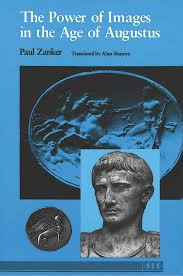
The Power of Images in the Age of Augustus
by Paul Zanker
Genres: Roman History
It’s a seminal book by Paul Zanker, explores how Rome’s first Emperor, Augustus, masterfully used art, architecture, coins, and public spaces to craft and project a new imperial ideology, transforming visual culture from the Republic’s conflicts into a unified message of peace, stability, and divine right, solidifying his autocratic rule through widespread visual propaganda. It details the shift from competing Republican images to a coherent imperial style in sculpture, painting, and monuments, reaching all levels of society.
The Silk Roads
by Peter Frankopan
Genres: History, Global History
It is truly a revelatory new history of the world, promising to destabilize notions of where we come from and where we are headed next. From the Middle East and its political instability to China and its economic rise, the vast region stretching eastward from the Balkans across the steppe and South Asia has been thrust into the global spotlight in recent years. Frankopan teaches us that to understand what is at stake for the cities and nations built on these intricate trade routes, we must first understand their astounding pasts.
Technology & Future
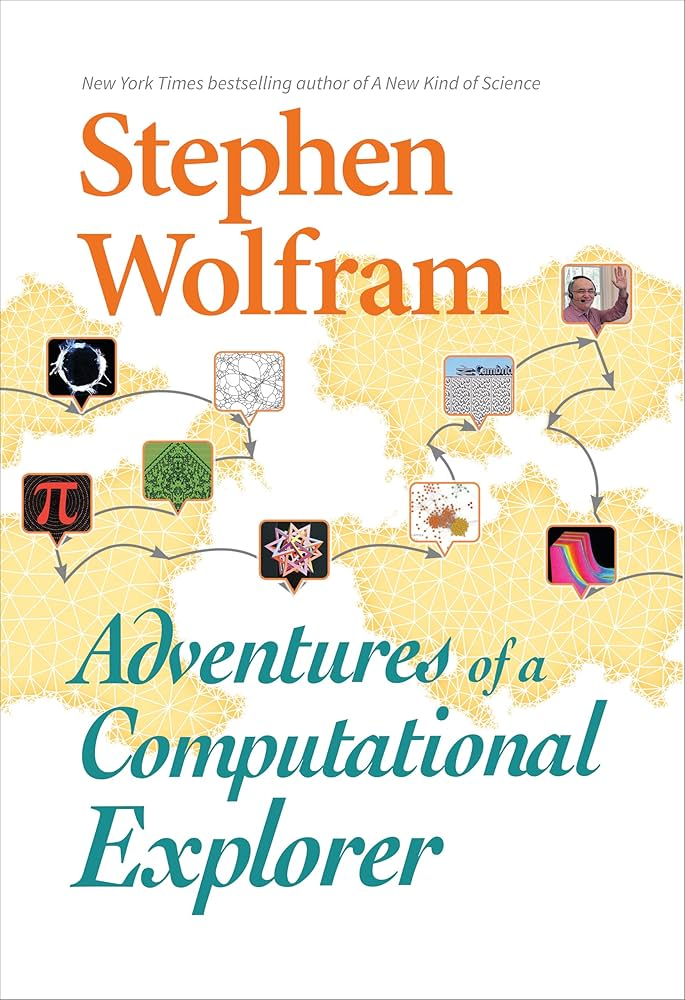
Adventures of a Computational Explorer
by Stephen Wolfram
Genres: AI, Computation, Science
Curiosity runs quietly through this book. Moving between science, mathematics, and computation, it traces a mind shaped by long questions rather than quick conclusions. The pages linger on how ideas evolve, how problems are explored, and why patience matters in discovery. What lingers is not technical detail, but a way of seeing complexity—open, patient, and unhurried.
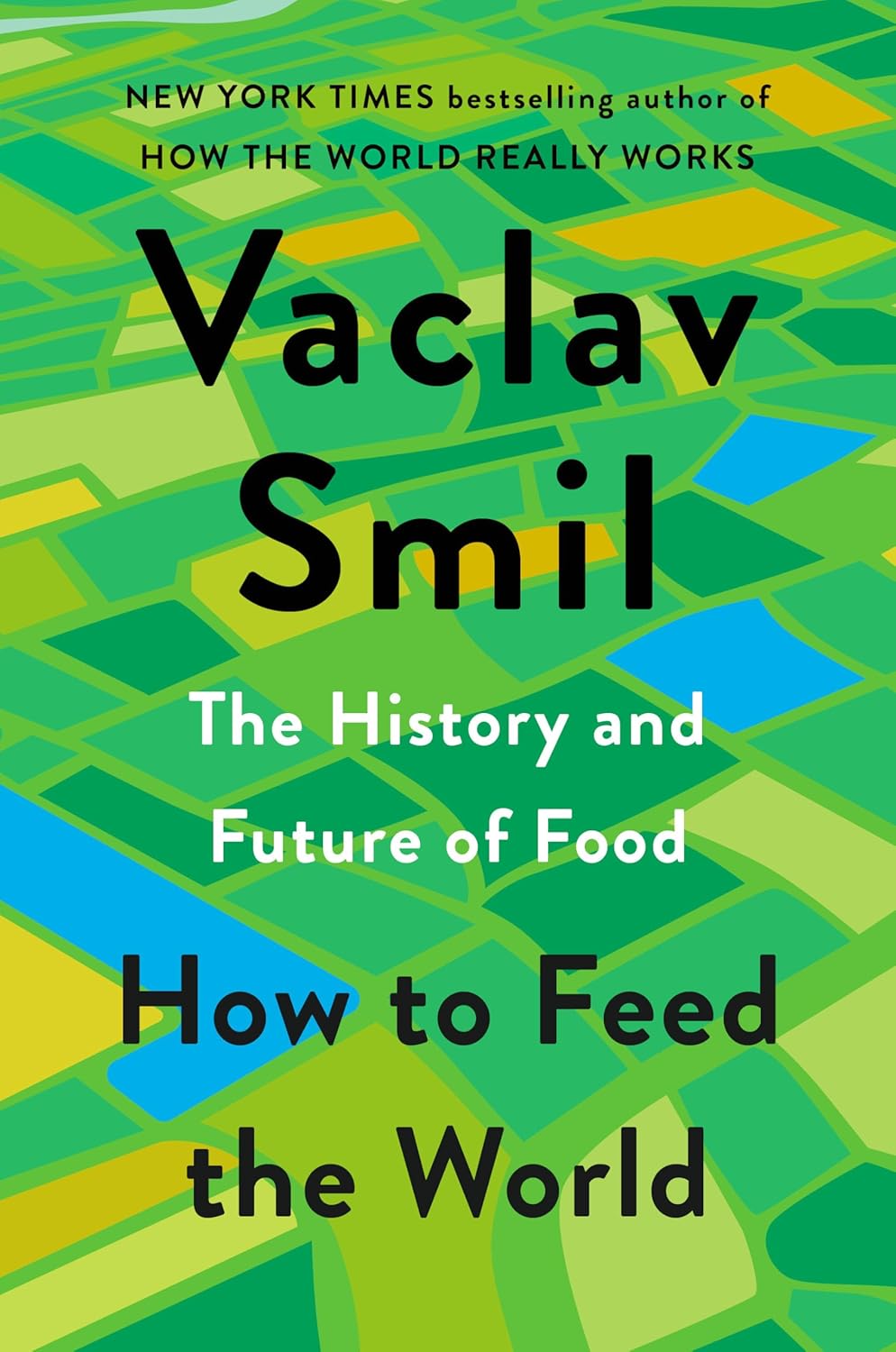
How to Feed the World
by Vaclav Smil
Genres: Agriculture, Energy, Systems Thinking
It’s a clear, evidence-based account of how food is produced and consumed worldwide, and what it will take to feed more people sustainably. Smil addresses one of humanity’s most persistent challenges with data, restraint, and realism. He dismantles simplistic narratives about food production, emphasizing trade-offs, energy inputs, and biological limits. The book is not optimistic or pessimistic, but analytical. It demands respect for complexity and skepticism toward easy solutions. Essential reading for understanding sustainability beyond slogans.
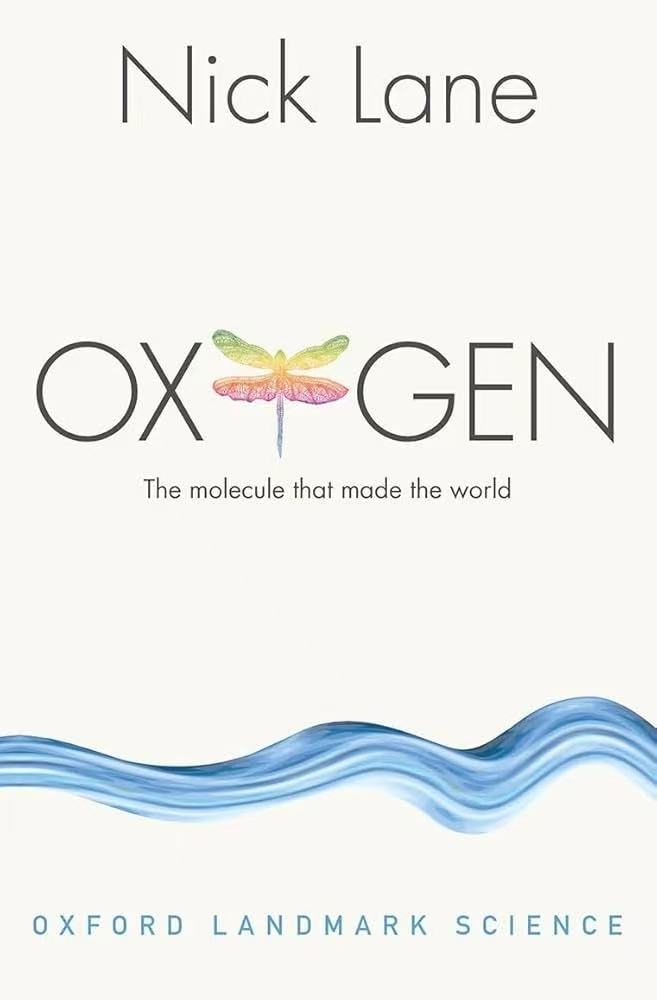
Oxygen: The molecule that made the world
By Nick Lane
Genres: Chemistry
In Oxygen , Nick Lane takes us on an enthralling journey as he unravels the unexpected ways in which oxygen spurred the evolution of life and death. From giant Carboniferous insects to ageing, disease, and modern medicine, it reveals how a toxic gas shaped evolution, biology, and human fate.

The Culture Series
by Iain M. Banks
Genres: Science Fiction, Future Narrative
Often cited by Elon Musk as an influence, this series imagines a post-scarcity civilization governed largely by advanced AI. Beneath its utopian surface lie hard questions about intervention, power, and moral responsibility. Each novel stands alone, yet together they form a sustained inquiry into what it means for humanity to live alongside — and be shaped by — the forces it has created, when technology reaches the scale of civilization itself.
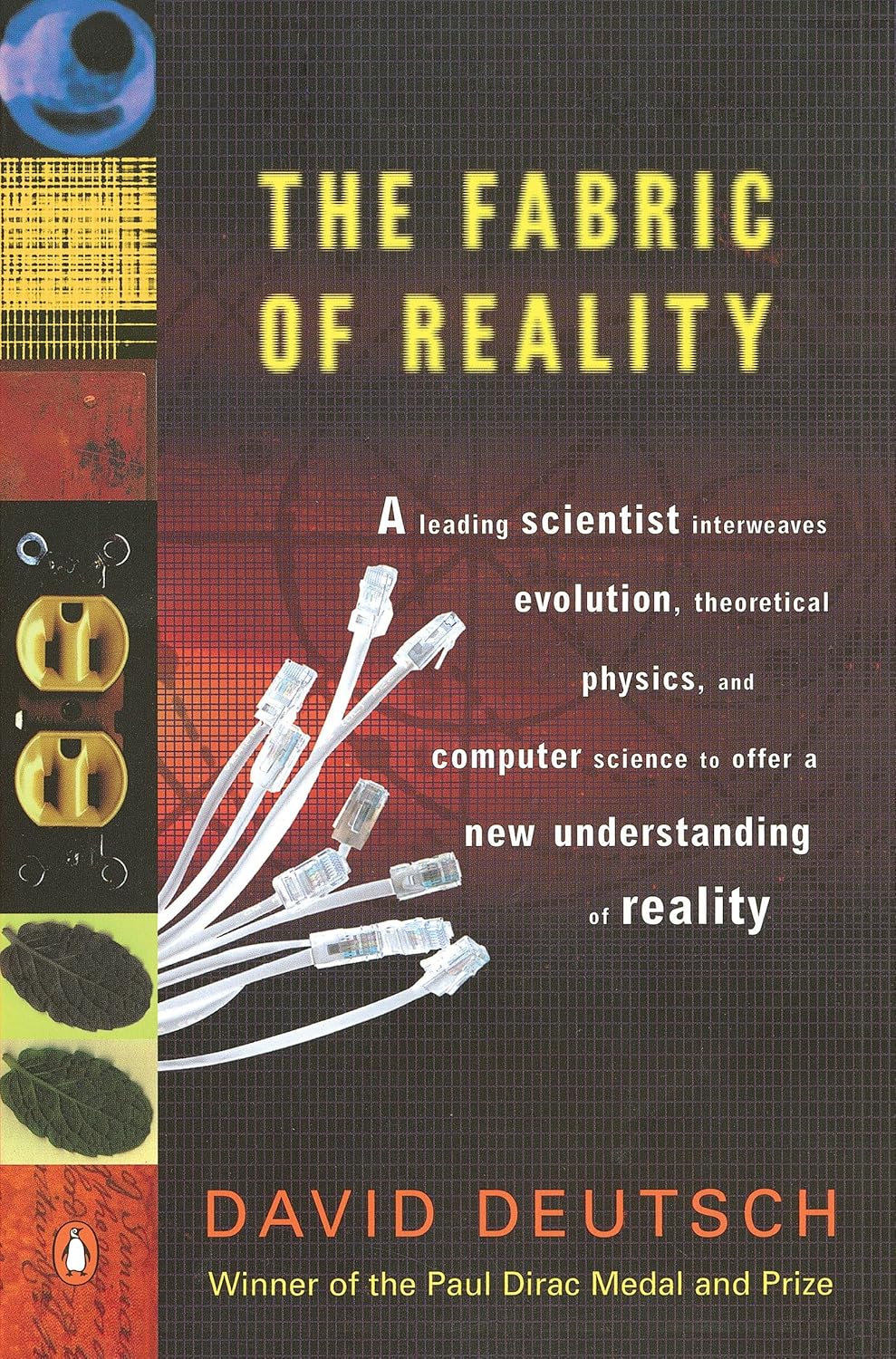
The Fabric of Reality
by David Deutsch
Genres: Epistemology, Physics, Philosophy
The Fabric of Reality primarily refers to physicist David Deutsch’s influential 1997 book, which weaves together quantum physics, computation, evolution, and epistemology (theory of knowledge) to propose a unified, rational, and optimistic view of existence, incorporating concepts like the multiverse, quantum computers, and the nature of time travel.
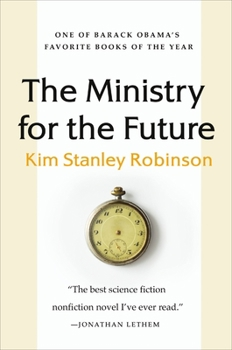
The Ministry for the Future
by Kim Stanley Robinson
Genres: Future, Climate Change
It is a rigorously imagined novel that uses fictional eyewitness accounts to explore how climate change may reshape global governance. Set in the near future, it envisions institutions designed to protect the interests of generations yet to come. Blending fiction with climate science, economics, and policy, Robinson focuses less on catastrophe than on coordination, responsibility, and the hard mechanics of systemic change.
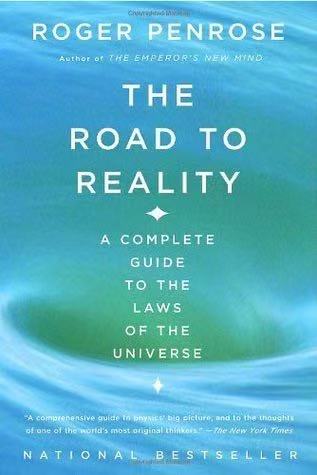
The Road to Reality: A Complete Guide to the Laws of the Universe
By Roger Penrose
Genres: Mathematics
Nobel Prize–winner Roger Penrose offers a rare achievement: a comprehensive yet remarkably lucid guide to the deepest laws of the universe. From the very first attempts by the Greeks to grapple with the complexities of our known world to the latest application of infinity in physics, Penrose examines the mathematical foundations of the physical universe, exposing the underlying beauty of physics and giving us one the most important works in modern science writing.
Economy & Capital
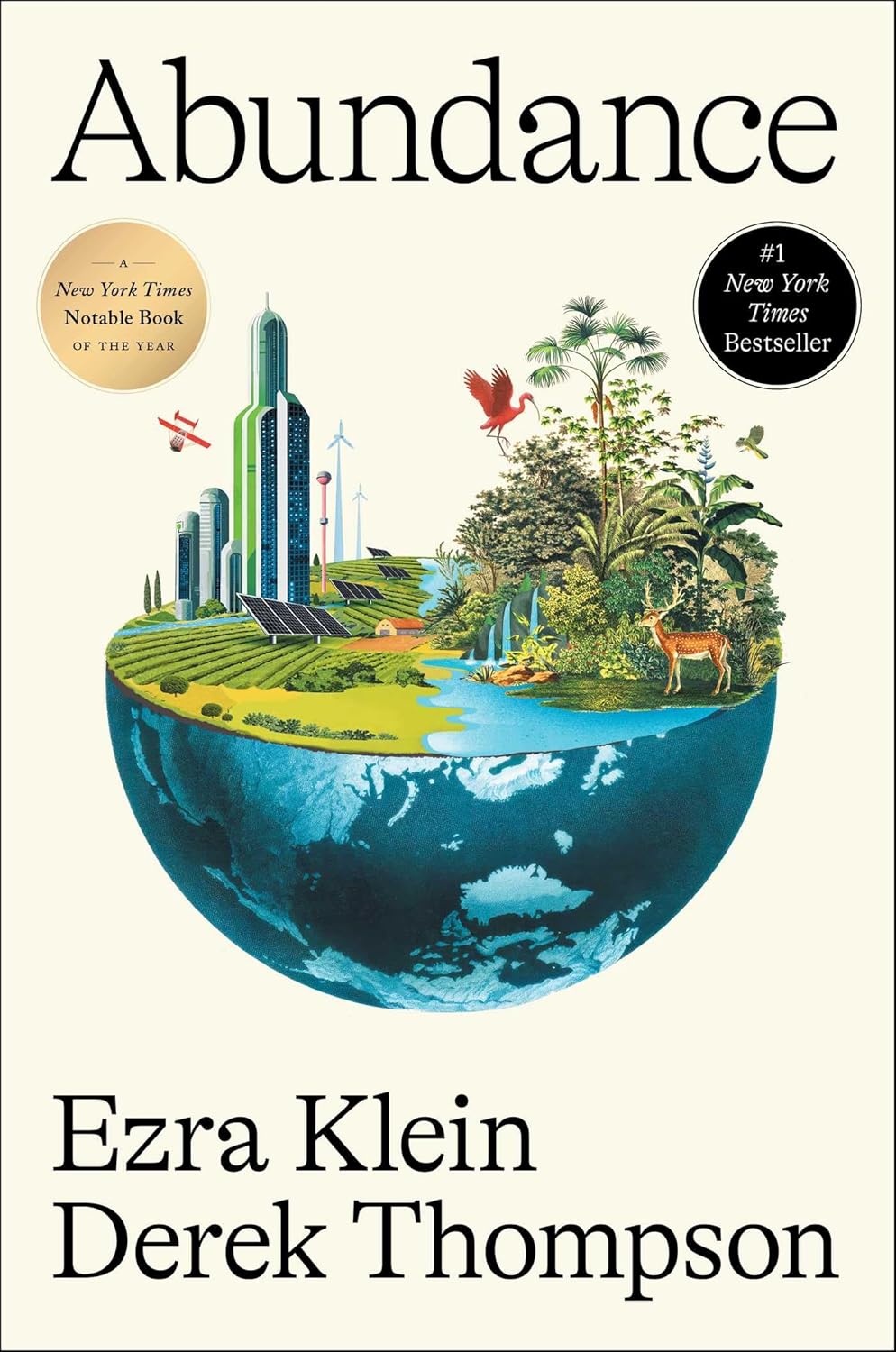
Abundance
by Ezra Klein & Derek Thompson
Genres: American Economy, Public Policy
Abundance is a once-in-a-generation, paradigm-shifting call to renew a politics of plenty, face up to the failures of liberal governance, and abandon the chosen scarcities that have deformed American life. It explains that our problems today are not the results of yesteryear’s villains. Rather, one generation’s solutions have become the next generation’s problems.
Same as Ever: A Guide to What Never Changes
by Morgan Housel
Genres: Philosophy, Human Behavior, Economics
Rather than focusing on trends, Housel turns attention to constants: human psychology, incentives, fear, and ambition. Through short, carefully constructed essays, he shows how many historical surprises follow familiar emotional patterns. The strength of the book lies in its restraint. It does not predict markets or prescribe formulas, but offers a framework for thinking long-term in a world obsessed with novelty.

The Age of Fallibility
by George Soros
Genres: Financial Markets, Reflexivity Theory
Tyranny, violence, ignorance, and arrogance: The celebrated financier and bestselling author takes on the policies of post-9/11 America with impassioned eloquence. Written in the shadow of the War on Terror, this book turns uncertainty into a moral argument. Soros challenges faith in perfect models and absolute certainty, urging humility in both markets and politics. Drawing on his idea of reflexivity, he shows how power distorts judgment—and why admitting fallibility is not a flaw, but a condition for responsible action in an unpredictable world.
Biology, Health & Human society

Behave: The Biology of Humans at Our Best and Worst
by Robert Sapolsky
Genres: Psychology, Behavior, Biology
Behave is one of the most dazzling tours d’horizon of the science of human behavior ever attempted. Moving across a range of disciplines, Sapolsky—a neuroscientist and primatologist—uncovers the hidden story of our actions. It’s an examination of human behavior and an answer to the question: Why do we do the things we do?
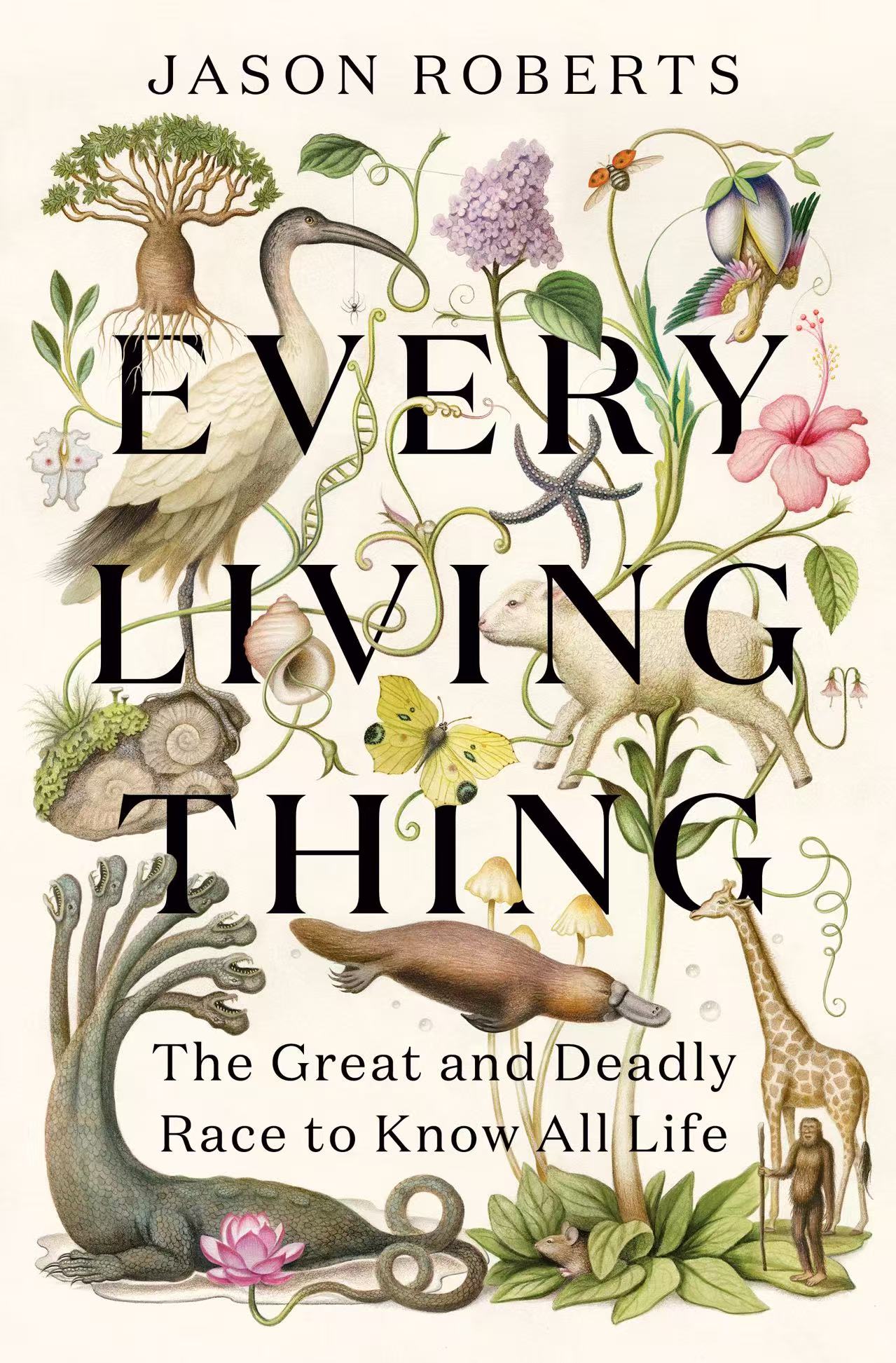
Every Living Thing: The Great and Deadly Race to Know All Life
By Jason Roberts
Genres: Biology
An engaging and thought-provoking narrative that reads with the tension of a drama, this book plunges us into the fierce rivalry between Linnaeus and Buffon and the birth of modern biology. It exposes the theatrical politics, moral blind spots, and unsettling ideas that shaped how we define life on Earth.

Mind, Language and Society: Philosophy in the Real World
by John R. Searle
Genres: Philosophy, Mind, Social Theory
Everyday realities—money, institutions, language—often feel solid and self-evident. This book gently unsettles that certainty. By tracing how shared beliefs turn ideas into facts, Searle reveals the fragile architecture beneath modern life. Clear, precise, and quietly engaging, it offers a way to look again at familiar systems and ask how meaning, authority, and agreement are actually made.
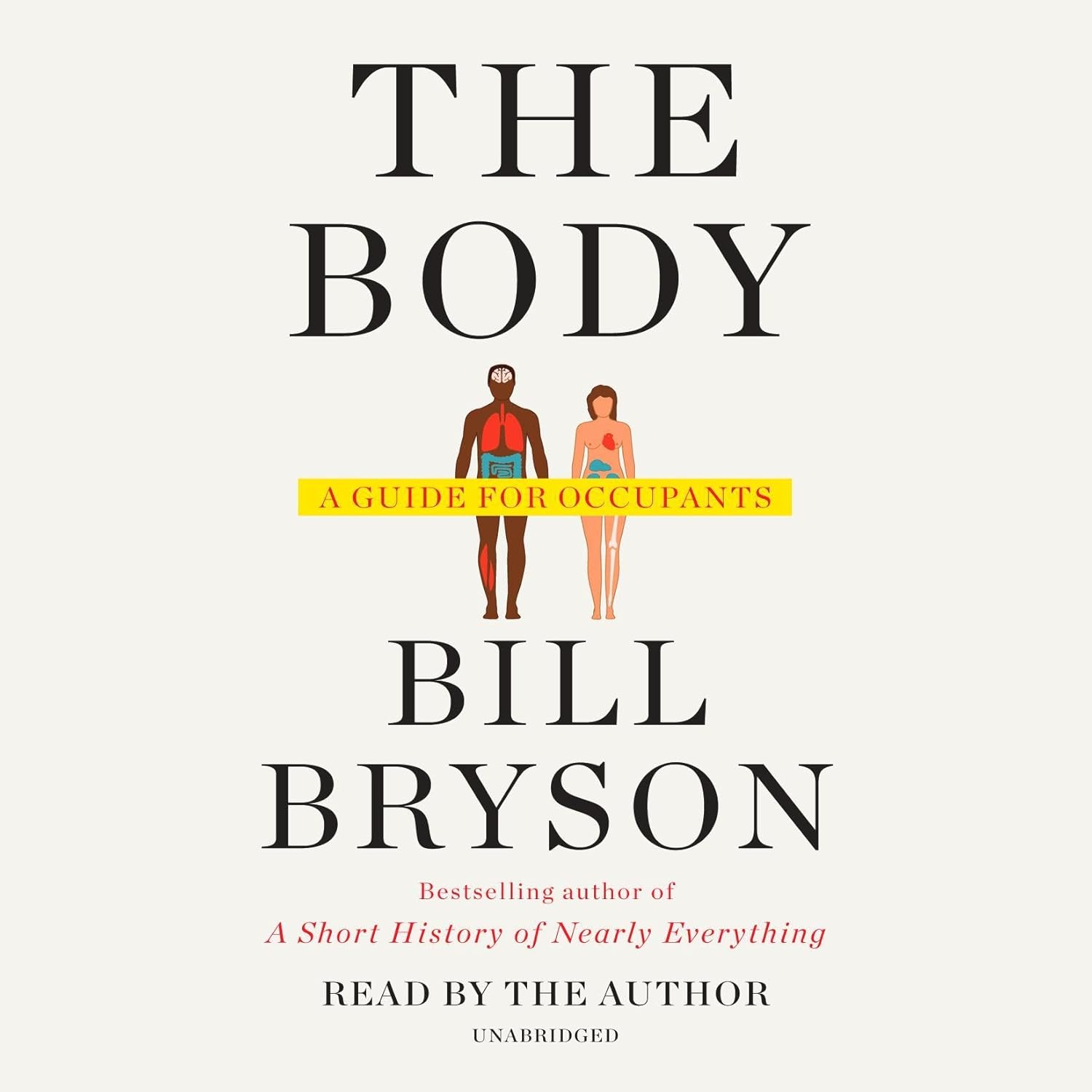
The Body: A Guide for Occupants
by Bill Bryson
Genres: Health, Biology
Bill Bryson proves himself to be an incomparable companion as he guides us through the human body–how it functions, its remarkable ability to heal itself, and (unfortunately) the ways it can fail. Packed with striking facts and Bryson’s trademark wit, The Body turns complex science into an accessible, often delightful exploration, deepening our understanding of both the marvel of life and the intricate system we inhabit every day.
Why Fish Don’t Exist
by Lulu Miller
Genres: Science Narrative
This is a tale so seductive that you can read in one sitting. It’s a dark and astonishing tale of love, chaos, scientific obsession, and—possibly—even murder. What begins as the portrait of a 19th-century scientist determined to impose order on nature gradually opens into a meditation on some of life’s most enduring questions.
Biography / Literature
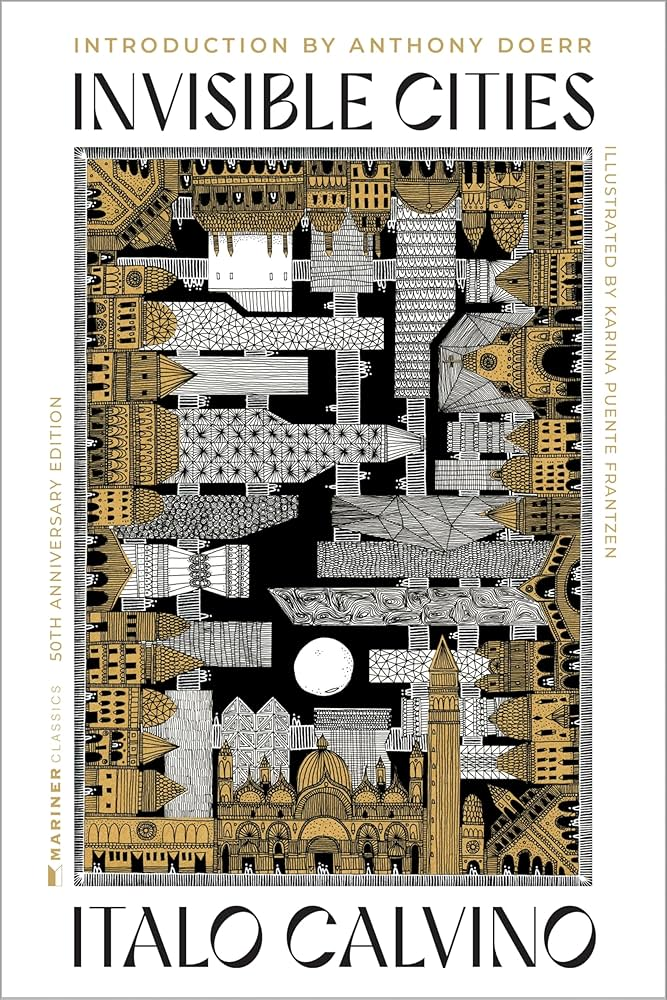
Invisible Cities
by Italo Calvino
Genres: Experimental Fiction; Silk Roads
Calvino’s Invisible Cities is a series of descriptions of mythical, impossible cities narrated by Marco Polo to Kublai Khan. Each city functions as a prose poem, a philosophical reflection, or a facet of Venice—the single, underlying city—exploring themes of memory, desire, signs, and reality, and revealing deeper truths about urban life and human perception.
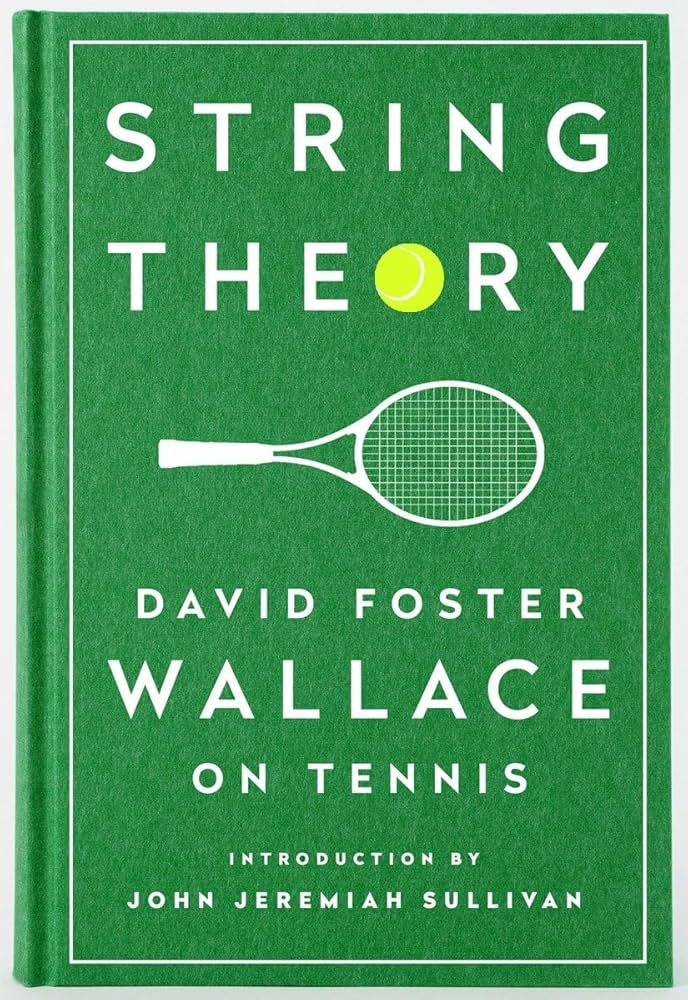
String Theory: David Foster Wallace on Tennis
by David Foster Wallace
Genres: Sports
David Foster Wallace was called the best mind of his generation and the best tennis-writer of all time. This book is his legendary writings on tennis, five tour-de-force pieces written with a competitor’s insight and a fan’s obsessive enthusiasm. With sharp observation and dry humor, these essays explore discipline, obsession, and the mental strain behind elite performance. Matches unfold as studies in attention, ego, and control, where brilliance is earned point by point. Both playful and exacting, the book reveals why sport, at its highest level, is as much about thinking as hitting.
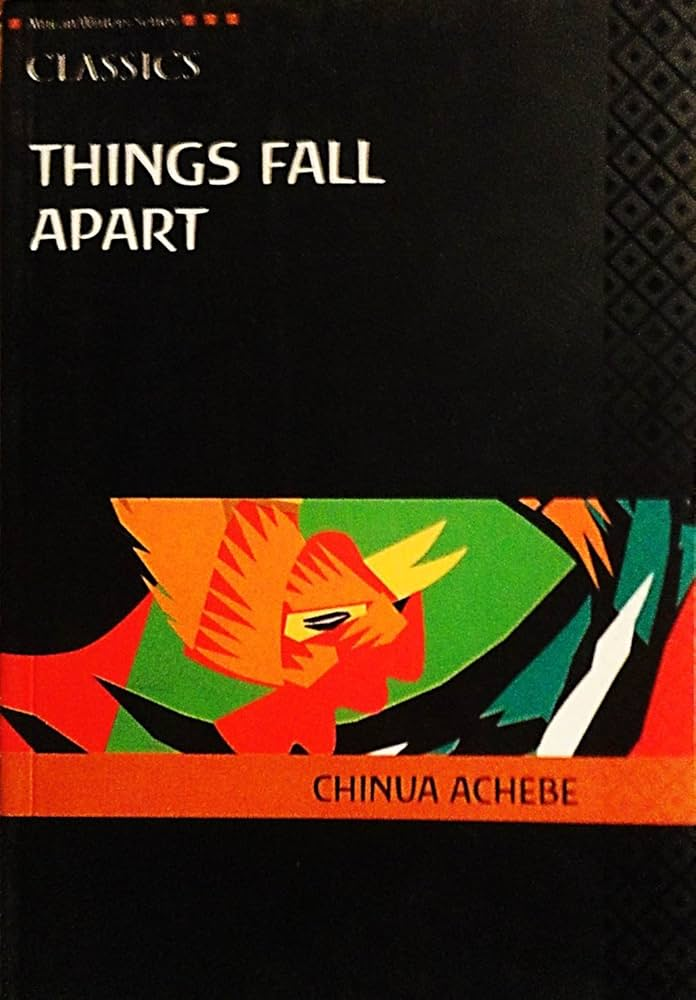
Things Fall Apart
by Chinua Achebe
Genres: African Literature, Nigeria
Toni Morrison said, “African literature is incomplete and unthinkable without the works of Chinua Achebe.” It is a classic narrative about Africa’s cataclysmic encounter with Europe as it establishes a colonial presence on the continent. It is translated into fifty-seven languages. Achebe does not only capture life in a pre-colonial African village, he conveys the tragedy of the loss of that world while broadening our understanding of our contemporary realities.